Powering Aerospace, Defense, and Energy: The Rise of Extreme-Environment Materials

Powering Aerospace, Defense, and Energy: The Rise of Extreme-Environment Materials

date

Feb 3, 2026

Blog Powering Aerospace, Defense, and Energy: The Rise of Extreme-Environment Materials

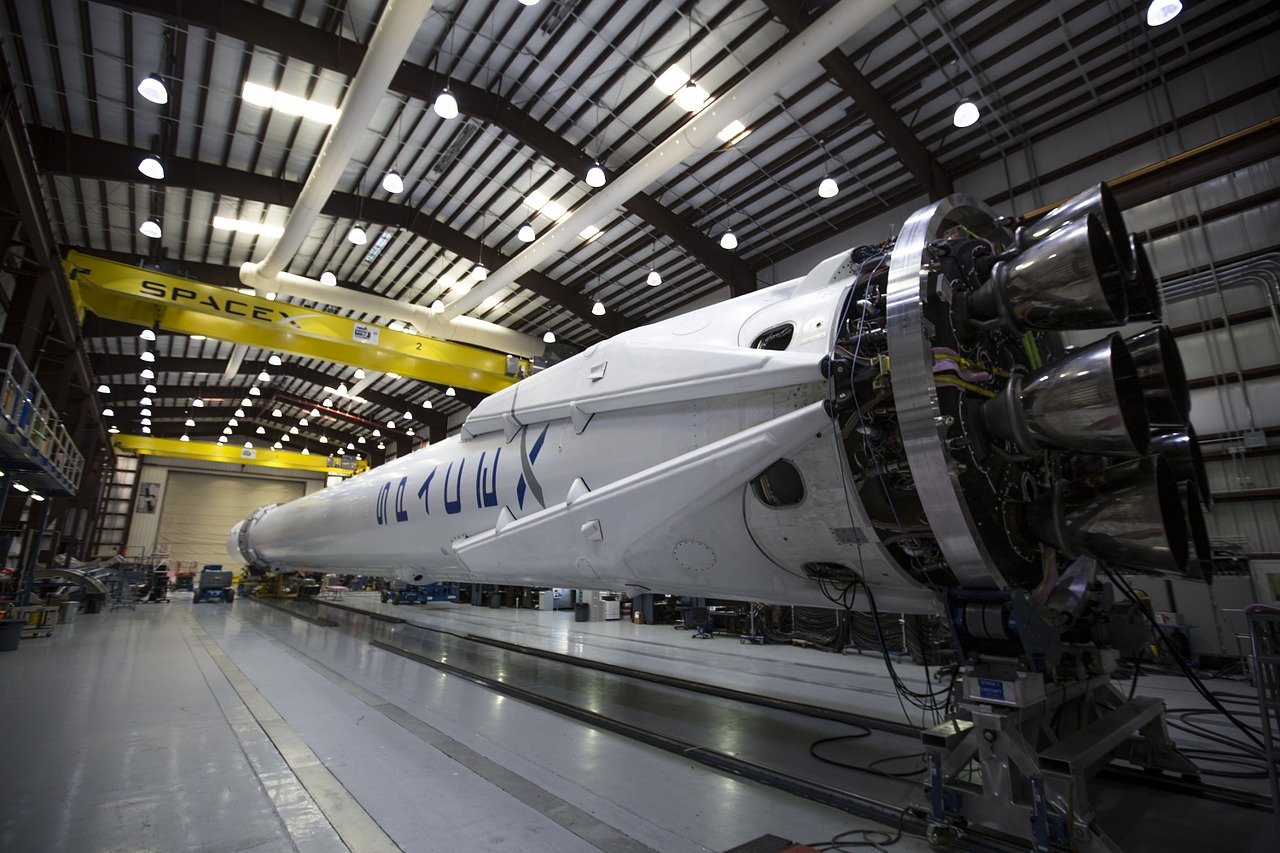
As industries push the boundaries of performance and exploration, materials are increasingly required to operate under extreme conditions, including intense heat and pressure, corrosive chemicals, radiation, and mechanical stress. Advanced materials designed for extreme environments are becoming essential across aerospace, defense, energy, industrial manufacturing, electronics, and space exploration. These materials enable systems to function reliably where conventional materials fail, supporting innovation in some of the world’s most demanding applications.

According to BCC Research, the global market for advanced materials for extreme environments was valued at $3.4 billion in 2024. It is estimated to grow from $3.6 billion in 2025 to $4.8 billion by 2030, registering a CAGR of 6.1% during the forecast period. This steady growth reflects rising demand for high-performance solutions that enhance safety, durability, and efficiency in harsh operating conditions.

What Are Advanced Materials for Extreme Environments?

Advanced materials for extreme environments are engineered to maintain structural integrity and performance under severe physical, chemical, or thermal stress. These include materials that can withstand:

  • ultra-high or cryogenic temperatures
  • high pressure and mechanical loads
  • corrosive chemicals and oxidative environments
  • radiation exposure
  • extreme wear and fatigue

Standard material classes include ceramic matrix composites (CMCs), metal matrix composites (MMCs), high-temperature alloys, advanced polymers, and protective coatings. Each material type is specifically designed to address distinct environmental challenges while extending component life and minimizing maintenance requirements.

Key Market Drivers

One of the primary drivers of this market is the growing demand from the aerospace and defense industries. Aircraft engines, hypersonic vehicles, missiles, and space systems require materials that can tolerate extreme temperatures, stress, and radiation while remaining lightweight. Advanced materials play a crucial role in enhancing fuel efficiency, increasing payload capacity, and improving mission reliability.

The energy sector is another primary growth driver. Advanced materials are increasingly used in nuclear power plants, oil and gas exploration, geothermal systems, and renewable energy technologies. In these applications, materials must resist corrosion, high pressure, and prolonged thermal exposure to ensure safe and continuous operation.

Industrial manufacturing also contributes significantly to market growth. Equipment used in chemical processing, metal production, and heavy machinery often operates under harsh conditions. Advanced materials help reduce equipment failure, downtime, and long-term operational costs.

Advanced Materials for Extreme Environments: Global Markets

The global market for advanced materials for extreme environments was valued at $3.4 billion in 2024 and is estimated to increase from $3.6 billion in 2025 to reach $4.8 billion by 2030, at a compound annual growth rate (CAGR) of 6.1% from 2025 through 2030.

Applications Across Critical Industries

Advanced materials for extreme environments are used across a wide range of applications:

  • Aerospace and Space Exploration: Thermal protection systems, turbine components, and structural parts exposed to high heat and mechanical stress.
  • Energy and Power Generation: Components for nuclear reactors, turbines, heat exchangers, and drilling equipment.
  • Defense: Armor systems, propulsion components, and electronics designed for extreme battlefield conditions.
  • Electronics: Materials that protect sensitive components from heat, radiation, and chemical exposure.
  • Industrial Processing: Wear-resistant linings, seals, and structural components in high-temperature or corrosive environments.

These applications underscore the crucial role that advanced materials play in enabling technological advancements in high-risk, high-performance environments.

Technological Advancements and Innovation

Ongoing research and development are expanding the capabilities of advanced materials. Innovations in material synthesis, nanotechnology, and additive manufacturing are enabling the creation of lighter, stronger, and more durable materials. Advanced coatings and surface treatments are also improving resistance to corrosion, oxidation, and wear.

Additionally, the integration of digital tools, such as modeling and simulation, is accelerating material development by enabling predictions of performance under extreme conditions. These advancements are reducing development time and costs while improving reliability.

Challenges Facing the Market

Despite strong demand, the market faces challenges related to high production costs, complex manufacturing processes, and limited scalability. Many advanced materials require specialized equipment and expertise, which can restrict widespread adoption.

Regulatory requirements, particularly in aerospace, defense, and nuclear applications, also present barriers due to stringent testing and certification standards. However, these challenges are driving further innovation as manufacturers seek more cost-effective and scalable solutions.

Regional Outlook

North America leads the global market due to its strong aerospace, defense, and energy industries, as well as significant investment in advanced materials research. Europe follows closely, driven by aerospace innovation, renewable energy development, and industrial manufacturing. The Asia-Pacific region is expected to experience steady growth, supported by expanding industrialization, space programs, and energy infrastructure projects.

Future Outlook

The future of advanced materials for extreme environments looks promising as industries continue to demand higher performance and reliability. Growth in space exploration, clean energy technologies, and advanced manufacturing will further expand market opportunities. As production processes mature and costs decline, these materials are expected to see broader adoption across both established and emerging industries.

Conclusion

Advanced materials for extreme environments are enabling technologies that make modern innovation possible in the harshest conditions. With a steadily growing global market and expanding applications across critical industries, these materials will continue to play a vital role in shaping the future of aerospace, energy, defense, and industrial systems. As research advances and demand increases, advanced materials will remain at the forefront of high-performance engineering in extreme environments.

Learn More and Take Action:

Consider becoming a member of the BCC Research Library and gain access to our full catalog of market research reports in your industry. Not seeing what you are looking for? We offer custom solutions too, including our new product line: Custom Intelligence Services.

Contact us today to find out more.

    Stay ahead of industry trends, build your market research strategy and more.

    Sandeep Singh Negi

    Written By Sandeep Singh Negi

    Sandeep is a Senior Executive in Marketing Operations at BCC Research, proficiently serving as a graphic designer and content creative specialist. His expertise extends to AutoCAD and Revit, and he has made valuable contributions to the event industry with his design skills.

    Guiding smart decisions every step of the way

    Guiding smart decisions every step of the way

    We are your trusted research partner, providing actionable insights and custom consulting across life sciences, advanced materials, and technology. Allow BCC Research to nurture your smartest business decisions today, tomorrow, and beyond.

    Contact Us