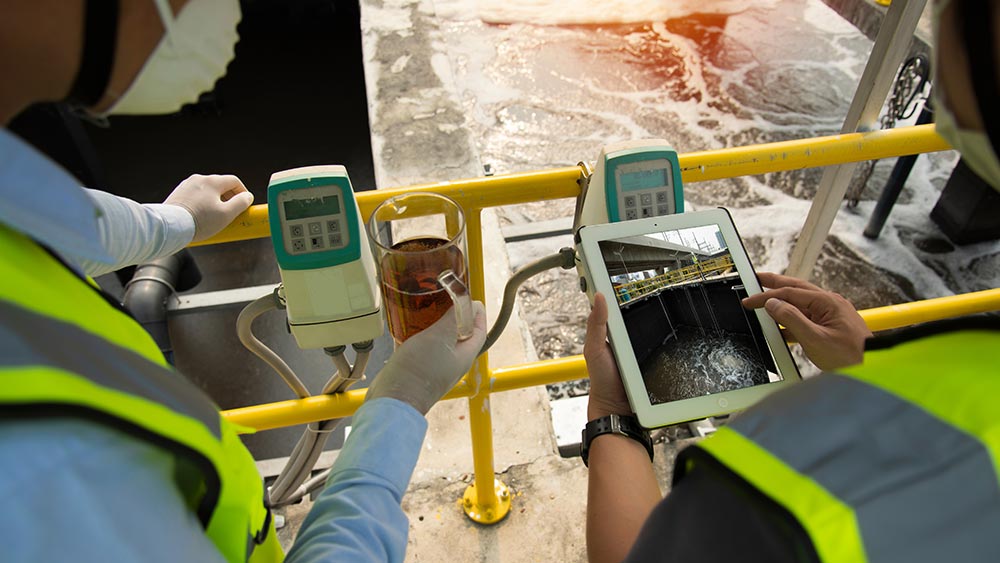
Water treatment isn’t just pipes and pumps, its chemistry, biology, regulation, and increasingly, software. Over the last few years, artificial intelligence (AI) has moved from an experimental tool into a practical engine for transformation across industries. In the specialty water treatment chemicals market, AI is doing more than optimizing formulations it’s changing how companies design chemicals, deliver services, reduce environmental footprints, and create business models that scale.
Below I unpack the major ways AI is making an impact, practical benefits for stakeholders, the main challenges, and what to watch for next.
Why specialty water treatment chemicals matter
Specialty water treatment chemicals scale inhibitors, corrosion inhibitors, biocides, flocculants, anti-foaming agents, and targeted blends keep industrial and municipal water systems safe, productive, and compliant. Small changes in chemical performance can yield large operational or environmental gains. That sensitivity makes the field especially well-suited to AI techniques that find subtle patterns and optimize multi-variable tradeoffs.
Where AI is already being used
- Smarter formulation design
AI models (especially machine learning and generative approaches) can analyze historical formulation data, lab results, and performance metrics to suggest new blends. Instead of trial-and-error across hundreds of combinations, chemists get prioritized candidates that balance efficacy, cost, and regulatory constraints. This accelerates R&D cycles and reduces wasted experiments.
- Process optimization and predictive dosing
IoT sensors feed real-time water quality and operational data into predictive models. Rather than dosing chemicals on a fixed schedule, systems adjust dosage dynamically lowering chemical use during stable periods and increasing it when risk indicators rise. The result: reduced consumption, lower cost, and fewer unintended side effects.
- Predictive maintenance and failure prevention
AI detects patterns that precede scale formation or corrosion hot spots. Early warning enables targeted interventions before performance degrades or equipment fails. This extends asset life and reduces downtime a compelling ROI for industrial operators.
- Compliance, risk and environmental modeling
Regulatory regimes and environmental goals are tightening. AI helps simulate the downstream environmental impact of a chemical program, flagging combinations or concentrations that might exceed discharge limits or create toxic byproducts. It can also track evolving regulations and surface compliance risks faster than manual review.
- Supply chain and cost optimization
From sourcing raw materials to packaging and distribution, AI optimizes procurement and inventory levels based on demand forecasting and market signals. That’s especially valuable for specialty chemicals with variable raw material availability or volatile prices.
- Enhanced customer service and digital offerings
Companies are packaging AI-driven analytics as a service: dashboards that show real-time water health, automated dosing recommendations, and remote monitoring subscriptions. These digital services strengthen customer relationships and create recurring revenue streams.